How Often Should You Get a Massage?
How Often Should You Get a Massage?
Is massage something you should book every week, once a month, or only when your body starts complaining?
It's a question I get asked regularly at Well Health Therapy, and the answer is that there isn't one rule that works for everyone.
Some people come for massage because they're training for an event or dealing with persistent muscle tension. Others spend long hours sitting at a desk, have physically demanding jobs, live with chronic pain or simply want an hour to switch off from everyday life.
How often you should have a massage depends on your lifestyle, how your body feels and what you're hoping to achieve.
Do You Need to Wait Until Something Hurts?
One thing I often remind my clients is that you don't have to wait until you're in pain to book a massage.
We tend to pay attention to our bodies when something starts hurting. Perhaps your shoulders have become particularly tight, your lower back feels stiff, or your legs feel heavy after a busy week.
But looking after yourself doesn't always need to start with discomfort.
Massage can be a useful part of your wellbeing routine, helping you relax, manage stress and ease muscle tension.
Think of it as making time to check in with your body rather than only responding when something feels wrong.
Can One Massage Really Fix Months or Years of Pain?
One thing I often notice is that people arrive for their first appointment hoping that one treatment will resolve discomfort they've been experiencing for months, sometimes even years.
And I completely understand why. When something has been bothering you for a long time, you just want it to go away!
But think about it. If your body has been dealing with tension, discomfort or an injury for six months, a year or even longer, is it realistic to expect everything to be resolved in a single 45 or 60-minute appointment?
One treatment can make a difference, but it isn't always the complete answer.
Quite often, clients leave their appointment feeling noticeably better. Their shoulders feel lighter, their movement feels easier, or that persistent tightness has eased.
And that's fantastic!
But feeling better doesn't always mean the underlying issue has gone away.
Sometimes discomfort gradually returns over the following days or weeks, particularly if the factors contributing to it haven't changed.
This is where follow-up treatments can be useful. For some people, two or three appointments over the following few weeks allow us to assess how their body is responding, build on improvements and work towards longer-lasting relief.
Of course, massage isn't always the complete solution. Movement, strengthening, recovery and everyday habits can all play a role. Persistent or unexplained pain may also need further assessment.
My goal isn't to have you coming back every week forever. It's to help you feel better for longer.
How Often Should You Have a Massage?
There's no scientifically established schedule that everyone should follow, but here are some general guidelines.
Every 1–2 Weeks: For Ongoing Muscle Tension or Discomfort
If you're experiencing persistent muscle tightness, recurring discomfort or have recently started treatment for a longstanding problem, appointments closer together may initially be helpful.
This allows us to monitor your progress, adjust treatment and see whether massage is helping.
As symptoms improve, appointments can usually be spaced further apart.
Every 2–4 Weeks: For Active Lifestyles, Chronic Pain and Ongoing Wellbeing
You don't have to be particularly sporty to benefit from regular massage.
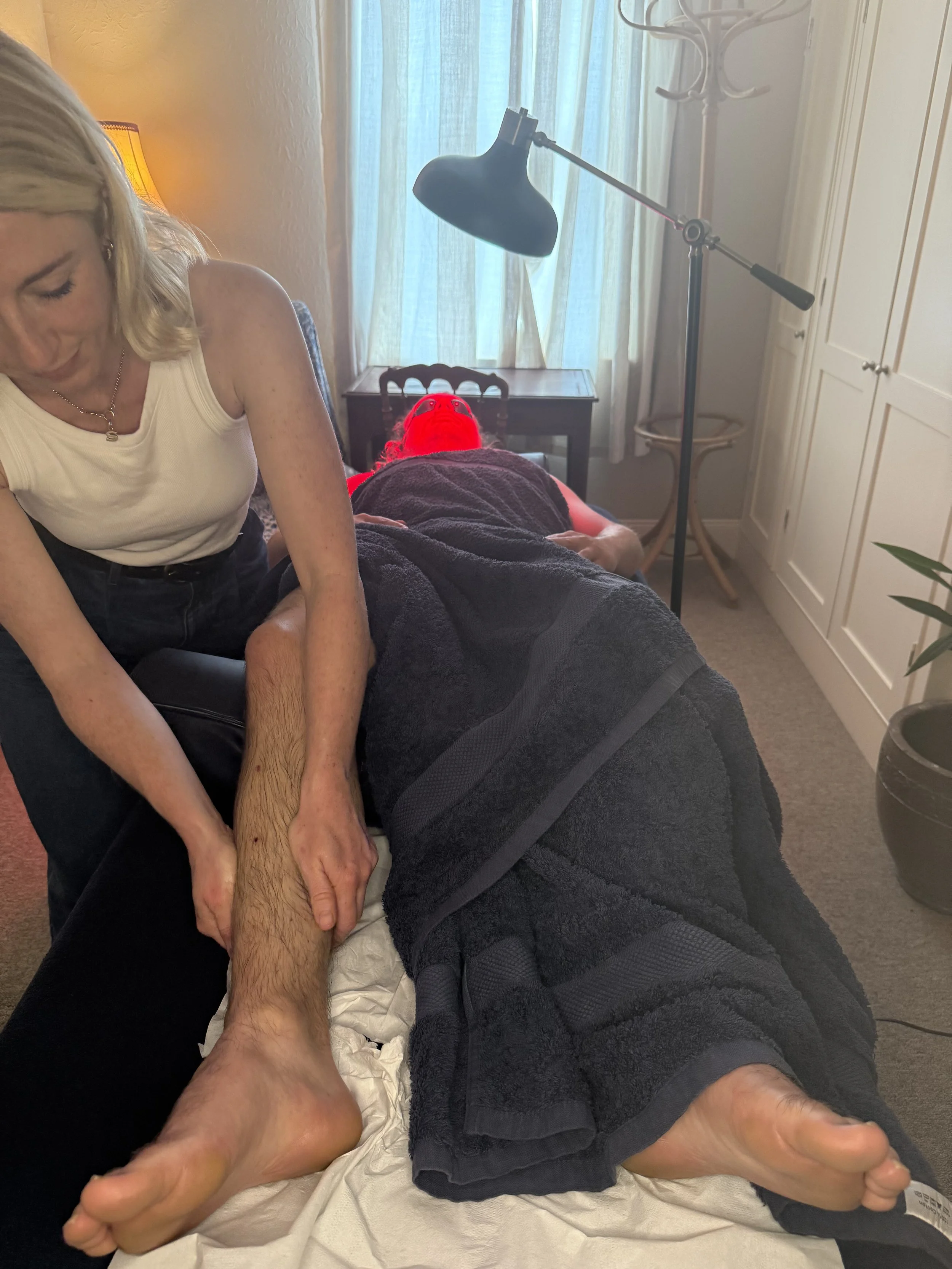
Some clients come because they run, cycle, lift weights or have physically demanding jobs. Others are managing chronic pain, fibromyalgia, recurring muscle tension or stress-related discomfort.
Massage may help ease temporary muscle soreness, encourage relaxation and improve comfort.
For people living with chronic pain, the aim is often to help manage symptoms and improve quality of life rather than expecting massage to cure an underlying condition.
Regular massage can be one part of looking after your body, alongside appropriate movement, strengthening, rest and recovery.
You don't need to be an athlete to look after your muscles.
Every 4–6 Weeks: For General Maintenance and Wellbeing
For many of my clients, a massage every 4–6 weeks fits comfortably into their routine.
You might notice tension gradually building through your shoulders, neck or lower back, or simply recognise that taking an hour for yourself makes a difference to how you feel.
Regular appointments can provide time to relax, switch off and focus on your wellbeing.
Occasionally: When You Feel You Need It
Not everybody needs or wants regular appointments.
Some people book after a stressful period, during a busy training schedule or simply because they fancy some time to themselves.
And that's absolutely fine.
Massage should fit around your life, not become another thing on your to-do list.
What About Deep Tissue Massage?
A common misconception is that the deeper the massage, the better the results.
But more pressure doesn't necessarily mean a more effective treatment.
Deep tissue massage can be useful for certain types of muscular tension, but it shouldn't leave you feeling unnecessarily bruised or uncomfortable.
At Well Health Therapy, I adjust the pressure and techniques to suit you rather than following the same routine with every client.
Is Regular Massage Better Than One-Off Treatments?
Regular massage may help some people manage recurring muscle tension and stress.
However, more frequent massage doesn't automatically mean better results.
It's worth considering:
Are you feeling more comfortable between appointments?
Are the benefits lasting longer?
Is massage helping you manage everyday stress?
Could strengthening, movement, rest or another form of treatment help alongside massage?
I always want my clients to feel they're getting something worthwhile from their appointments, rather than booking simply because they think they should.
So, How Often Should You Book?
Ultimately, there isn't a right or wrong answer.
Your treatment frequency should reflect your individual needs, whether that's addressing recurring discomfort, supporting an active lifestyle or making time for relaxation.
And if you've been experiencing pain or tension for months or years, remember that progress can take time. A few treatments alongside other appropriate support may be more helpful than expecting everything to change in one session.
The important thing is finding an approach that works for your body, your lifestyle and your budget.
Finding the Right Massage for You in Bristol
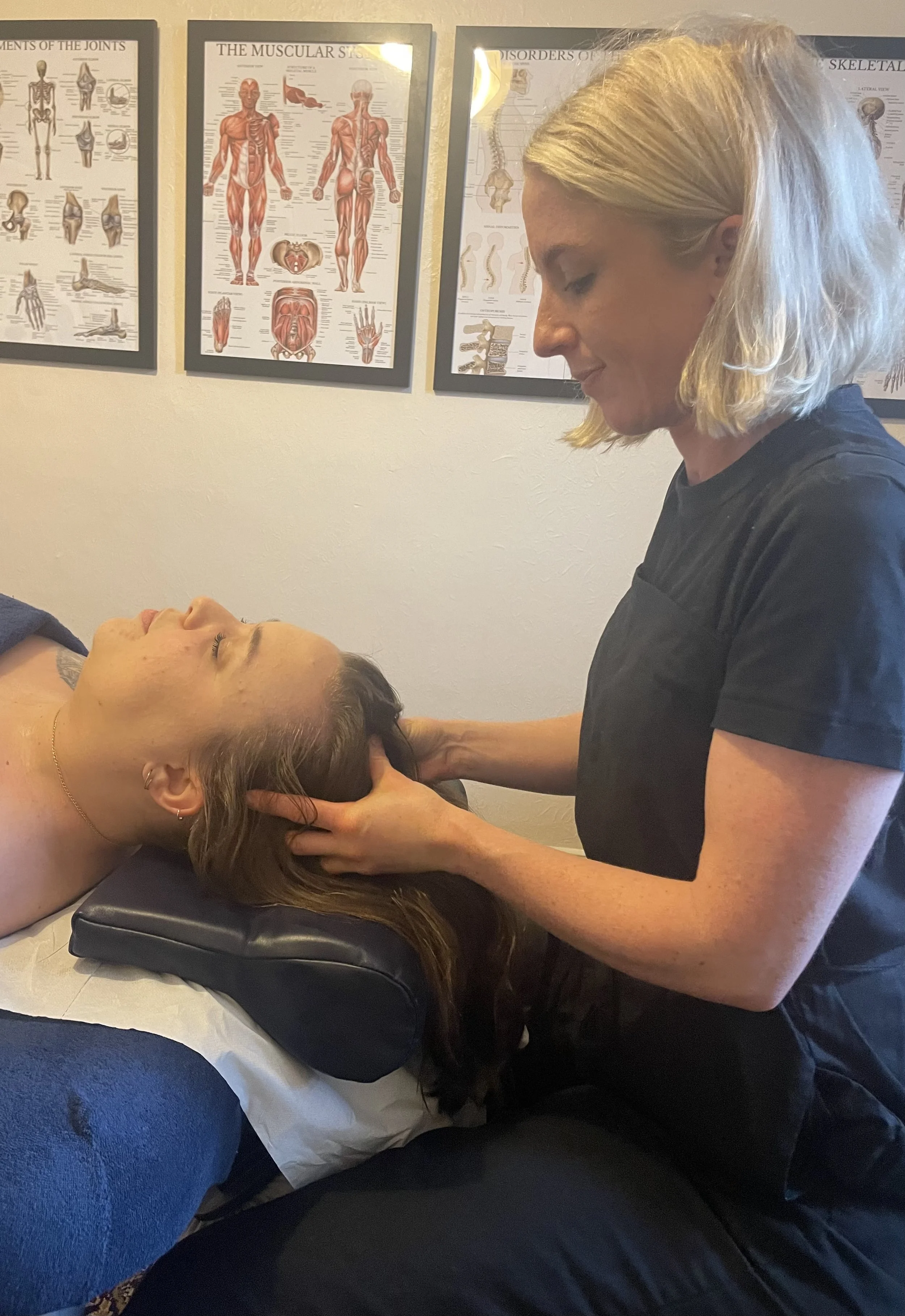
At Well Health Therapy in Brislington, Bristol, I offer sports massage, deep tissue massage, pregnancy massage, Indian head massage, relaxing massage and other soft tissue techniques.
Every session is tailored to you.
You don't need to know exactly which treatment you need before booking. Simply choose the appointment length that suits you, and we can discuss what would be most helpful when you arrive.
Whether you're looking for support with muscle tension, managing ongoing discomfort, recovery from an active lifestyle or simply an opportunity to relax, you're always welcome.
Reset your body. Reconnect your mind.