
Looking After Your Nervous System This Autumn and Winter
Looking After Your Nervous System This Autumn and Winter
Why slowing down is just as important as keeping active.
As the days get shorter, the weather turns colder and the end of the year approaches, life can start to feel a little overwhelming. Work deadlines, family commitments, Christmas preparations and the everyday pressures of life can leave us feeling as though we're constantly on the go. We often think about looking after our muscles, eating well and keeping active, but how often do we stop to think about our nervous system? Your nervous system is working for you every second of the day, and sometimes it needs a little support too.
What Does Your Nervous System Actually Do?
Your nervous system is your body's communication network. It helps control everything from movement and sensation to breathing, digestion, heart rate and your response to stress. One important part is the autonomic nervous system, which helps regulate functions we don't consciously think about.
It has two key branches:
The sympathetic nervous system: Often described as your fight or flight response. It helps prepare your body to respond to challenges or perceived threats.
The parasympathetic nervous system: Often referred to as rest and digest. It supports processes such as digestion, recovery and relaxation.
Both are essential. We need to be able to respond to challenges, but we also need opportunities to recover afterwards. The problem comes when everyday life leaves us feeling constantly under pressure, with very little time to unwind.
How Stress Can Show Up in Your Body
Stress doesn't always feel like being worried or anxious. Sometimes it shows up physically, and we don't immediately make the connection.
You might notice:
Tight shoulders, neck or jaw
Frequent headaches
Difficulty switching off at bedtime
Changes in digestion
Feeling tired but unable to relax
Shallow or faster breathing
Feeling irritable, overwhelmed or constantly on edge
It's easy to dismiss these things as part of a busy life. They can also be signs that you're dealing with more stress than usual.
Sometimes your body is telling you to slow down before you've even realised how much you're taking on.
Why This Time of Year Can Feel Particularly Difficult
Autumn and winter can bring additional challenges. There's less daylight, we may spend more time indoors, our routines change and the pressure to get everything done before Christmas can start building. For some people, reduced daylight can also affect mood and sleep. We might find ourselves doing less of the things that usually help us feel good, such as walking outside, exercising, seeing friends or simply spending time in nature. Rather than making space for rest, we often keep pushing through. Looking after yourself shouldn't be another task on an already overwhelming to-do list.
Five Simple Ways to Support Your Nervous System
The good news is that supporting your wellbeing doesn't have to involve making huge changes.
1. Get outside during daylight
A short walk can provide a welcome break from screens, work and everyday distractions. Natural daylight also helps support your sleep-wake cycle.
2. Make time for gentle movement
Walking, stretching, yoga or simply moving around regularly can help reduce physical tension and support your overall wellbeing.
You don't always need an intense workout to feel the benefits of movement.
3. Slow your breathing
When we're stressed, our breathing can become faster and shallower. Taking a few minutes to breathe slowly and comfortably can help create a sense of calm. Try gently breathing in through your nose and allowing a longer, relaxed exhale without forcing your breath.
4. Protect your downtime
Rest isn't something you have to earn. Reading a book, having a warm bath, spending time outdoors or simply enjoying a quiet evening can all provide valuable opportunities to unwind.
5. Make time for yourself
Sometimes we need to deliberately create space away from the demands of everyday life. That might mean booking a massage, having a relaxing treatment or simply setting aside an hour where nothing is expected of you.
Where Does Craniosacral Therapy Fit In?
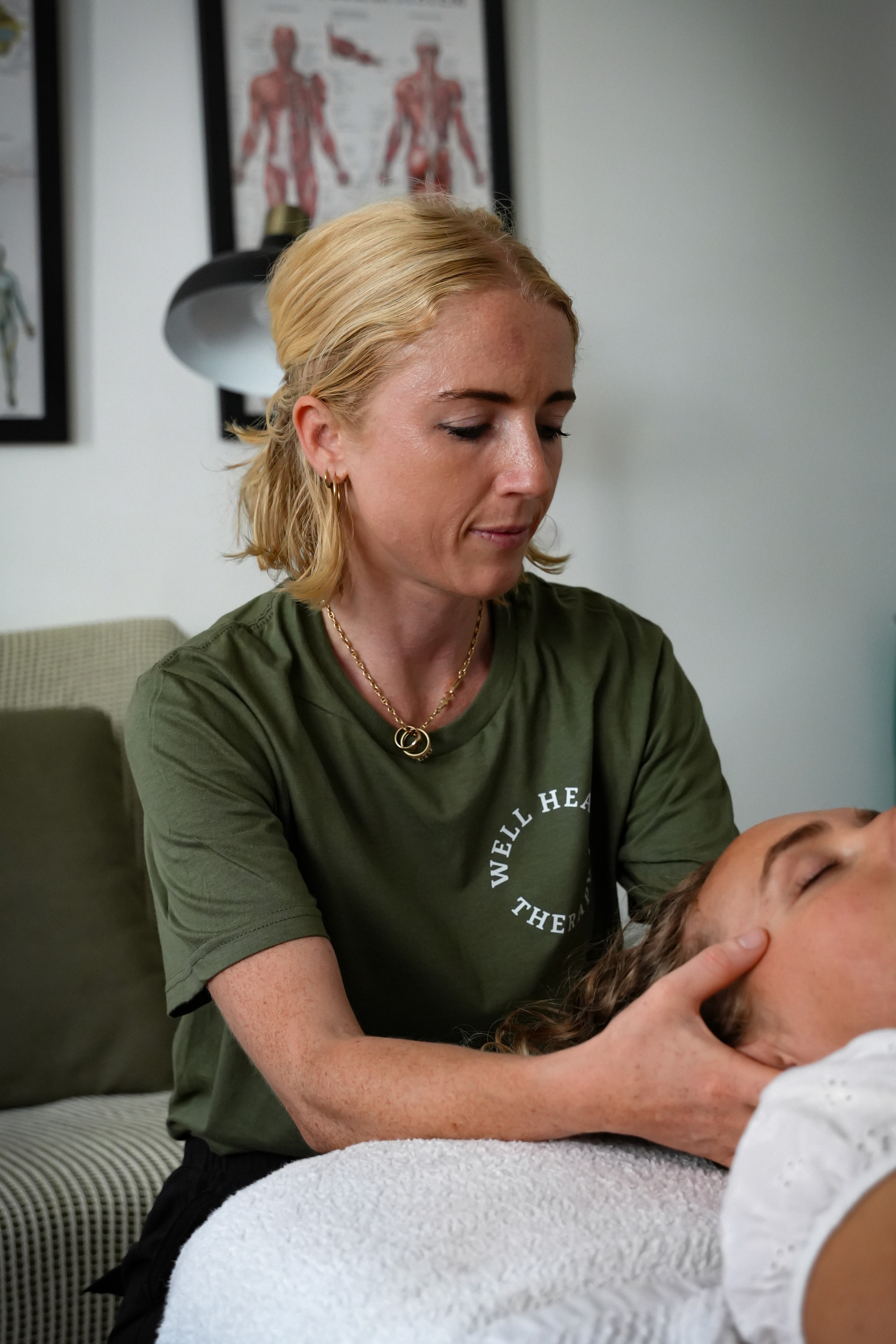
One of the treatments I offer at Well Health Therapy is craniosacral therapy, often shortened to CST. Unlike traditional massage, craniosacral therapy uses very gentle, sustained touch, usually around areas such as the head, spine and sacrum, although treatment can involve other areas of the body.
You remain fully clothed throughout the session, making it a lovely option for people who prefer a lighter, less physically intensive treatment. For me, one of the most valuable aspects of craniosacral therapy is the opportunity it gives people to be still. We're so used to doing, thinking, planning and rushing that simply lying down in a peaceful environment can feel unfamiliar. A craniosacral session provides a quiet space where you don't need to do anything. Some people describe feeling deeply relaxed, calmer or more connected with their bodies afterwards.
Craniosacral therapy is often associated with supporting nervous system regulation.
Do You Have to Feel Stressed to Benefit From Rest?
Absolutely not.
You don't need to be struggling, overwhelmed or experiencing pain to make time for yourself. In fact, one thing I regularly encourage my clients to think about is looking after themselves before they reach the point of feeling completely exhausted. We often prioritise everything and everyone else, leaving our own wellbeing until last. Regular moments of rest can become an important part of a healthier, more balanced routine.
A Little Reminder From Me
As we head towards the end of the year, try not to put too much pressure on yourself to do everything. There will always be another job, another commitment or something else that needs your attention. Making time for yourself is important too. Whether that's getting outside for a walk, having an early night, enjoying a massage or trying something different like craniosacral therapy, find what helps you feel more settled.
You don't always have to do more to feel better. Sometimes, you need to give yourself permission to do less.
Interested in Trying Craniosacral Therapy?
At Well Health Therapy in Brislington, Bristol, I offer gentle craniosacral therapy sessions tailored to you.
Whether you're curious about the treatment or simply looking for a peaceful space to switch off, you're very welcome to get in touch.
Reset your body. Reconnect your mind.


